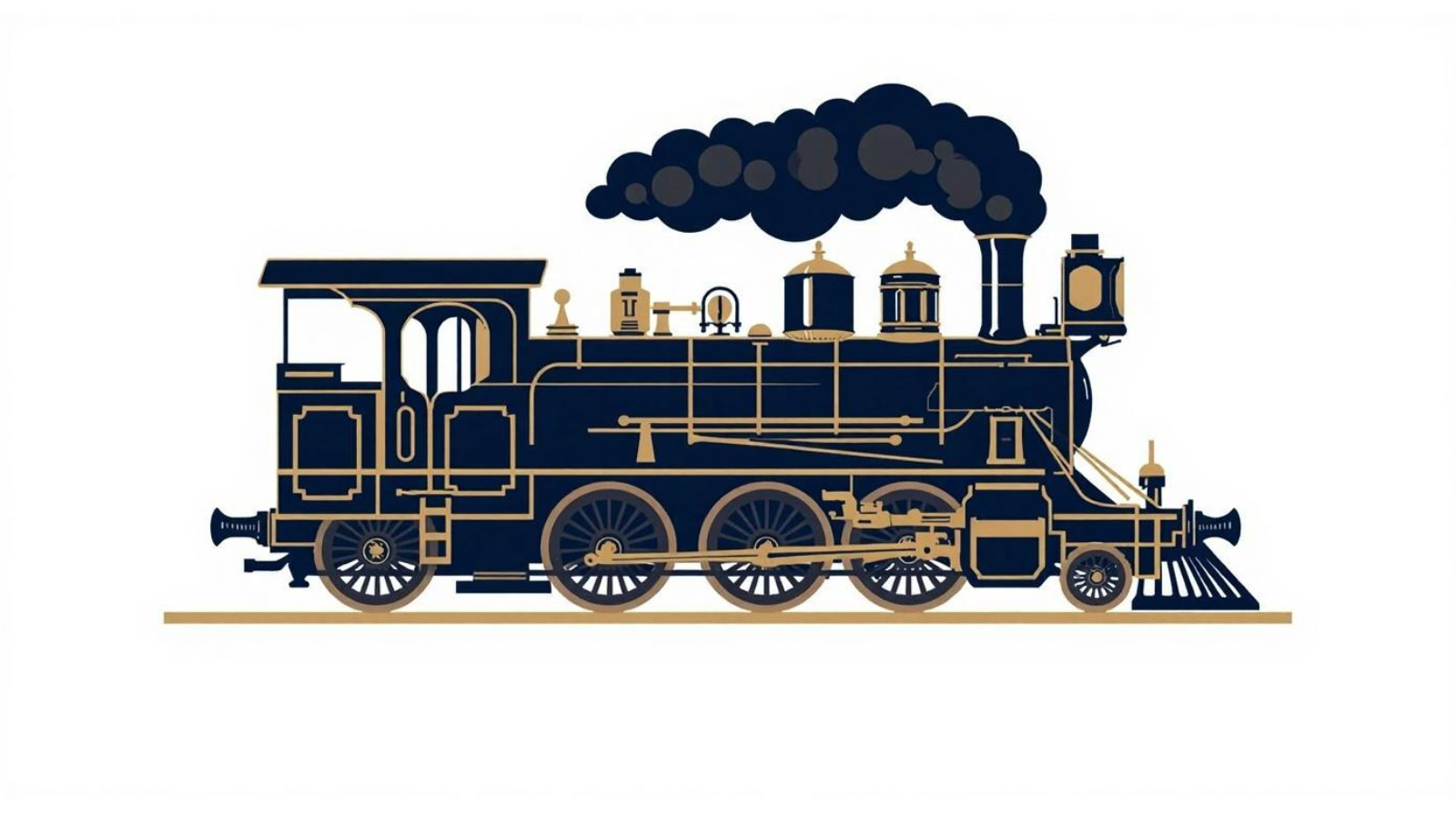
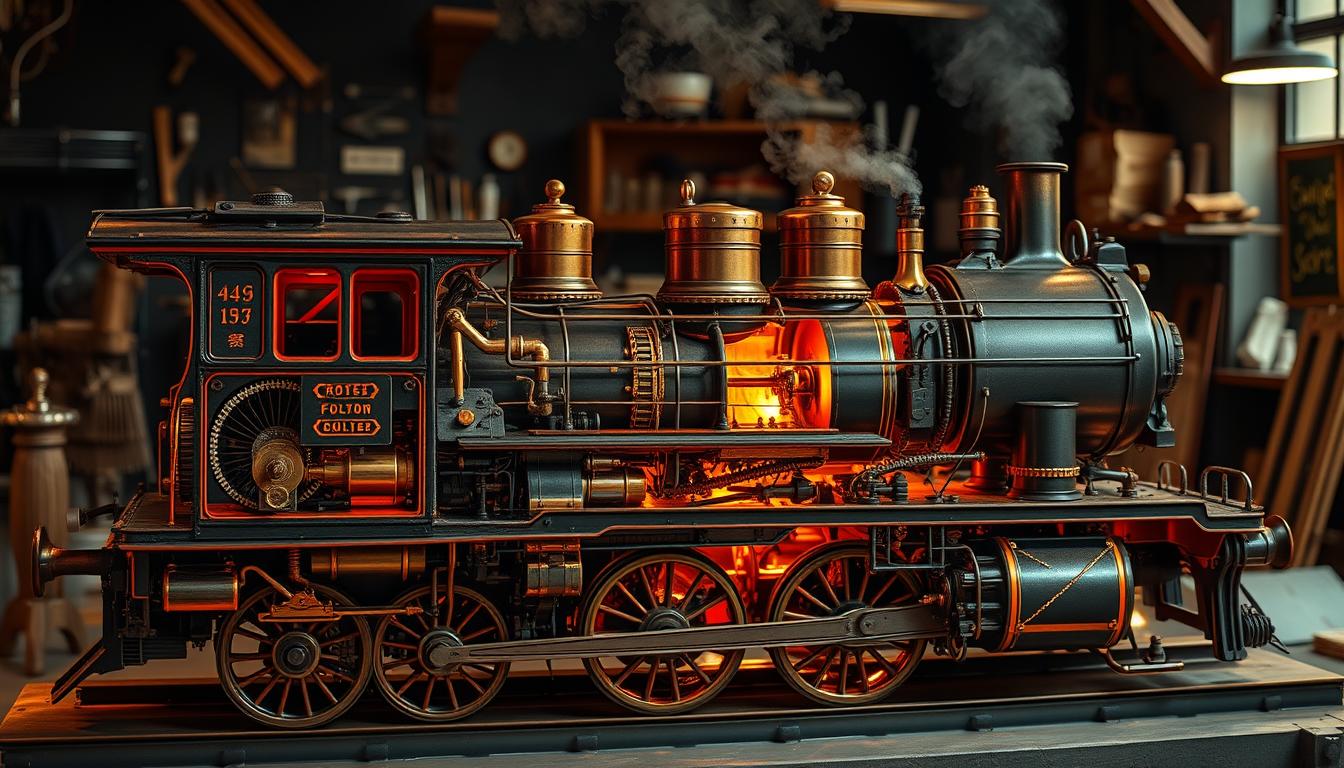
Ever wonder how a teapot’s tantrum became the backbone of the Industrial Revolution? Let’s dive into this pressure cooker of innovation. At its core, how steam engines work is a simple magic trick. It turns angry water into motion through clever engineering. It’s like Hogwarts-level thermodynamics for Muggles.
Here’s the real tea: when you heat water until it throws a gaseous fit, that steam packs more punch than a caffeinated squirrel. This energy transfer – from coal fire to piston push – is why 19th-century factories hummed like beehives on espresso. It’s heat to motion alchemy that even Minecraft redstone enthusiasts would respect.
But here’s where it gets spicy. That “choo-choo” sound from old locomotives? That’s basically steam doing stand-up comedy – pressurized vapor telling jokes through release valves. Today’s STEM educators use these same principles to explain everything from power plants to rocket science. They prove the science of steam isn’t just history… it’s how we level up tomorrow’s innovators.
Ready to geek out on piston mechanics and pressure ratios? Let’s stoke the intellectual furnace.
Hogwarts Express (Harry Potter)
The Hogwarts Express may seem like just a story, but its real-life version, the Jacobite Steam Train, runs through Scotland’s Highlands. The 5972 Olton Hall is more than a movie prop. It’s a massive, 90-ton machine that turns dreams into real-world engineering marvels.
Here’s why this famous steam locomotive is more than just a movie sidekick:
- Real-world specs: It can go 60 mph, faster than a Nimbus 2000 on a calm day.
- Route: It travels 84 miles through the Highlands, making the Forbidden Forest look small.
- Fuel consumption: It burns 1 ton of coal every hour, like 127 cauldrons of Floo Powder.
J.K. Rowling’s steam engines in media portrayal accidentally became a STEM ambassador. Kids who learned about the Hogwarts Express could explain complex engineering concepts better than many adults. Warner Bros didn’t just film a train; they created a 21st-century steam engine recruitment poster.
“You’re a steam engineer, Harry.”
Now, here’s a twist OSHA would’ve demanded: While wizards apparate without security checks, muggles maintain the Olton Hall with 732 safety inspections a year. Try to apparate that level of bureaucracy. The Jacobite’s crew shows that real magic comes from coal, not wands.
This cultural icon shows that books about trains don’t need fantasy. When the Jacobite crosses the Glenfinnan Viaduct, tourists see real Victorian engineering, not CGI. The steam plume is physics, not special effects.
The Flying Scotsman
Imagine a steam engine so fast, it made the 1920s feel like the future. The Flying Scotsman was a game-changer in rail travel. It didn’t just carry passengers; it showed off Britain’s industrial might across 392 miles of track.
At its heart was the legacy of George Stephenson, a pioneer in steam engine inventors. He brought steam transportation history to life, much like Prometheus gave fire to humanity. But Stephenson did it with safety in mind.
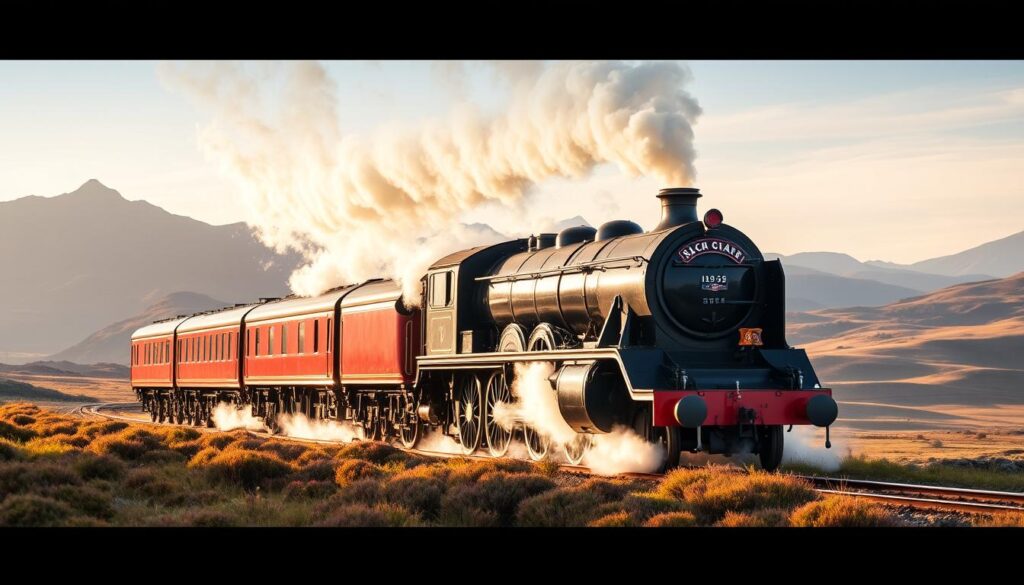
Engineering Marvel of the Steam Age
Let’s look at its 1923 specs:
- 100mph top speed – faster than 98% of cars back then
- 8-foot driving wheels that ate tracks like Pac-Man
- A corridor tender for crew changes mid-route (a big deal before inflight meals)
“The steam engine is a living thing,” Stephenson once said. “It breathes fire, drinks water, and eats coal – but what it truly consumes is human imagination.”
Now, let’s compare it to modern trains using data from the Glacier Express archives:
| Feature | Flying Scotsman (1923) | Modern Glacier Express |
|---|---|---|
| Fuel Efficiency | 1 ton coal/150 miles | 45 kWh/seat |
| Crew Comfort | Corridor tender (game changer) | Panoramic windows |
| Cultural Impact | Defined British rail | Tourist attraction |
The corridor tender was a social innovation. It let crews brew tea without stopping. This was huge in Britain, more important than the Magna Carta.
The Scotsman’s 1934 100mph sprint was more than speed. It was steam punk showing off against diesel engines.
Today, seeing this locomotive in museums is more than just looking at old metal. It’s witnessing the Industrial Age’s ambition. It’s like Armstrong’s moonwalk, but with coal dust and less TV cameras.
Union Pacific Big Boy
If steam locomotives had a heavyweight division, the Big Boy would’ve been banned for excessive awesomeness. This 1.2-million-pound titan wasn’t just a train—it was America’s industrial ambition. It was 132 feet of rolling steel. It ate mountains for breakfast using Wyoming coal like it was candy.
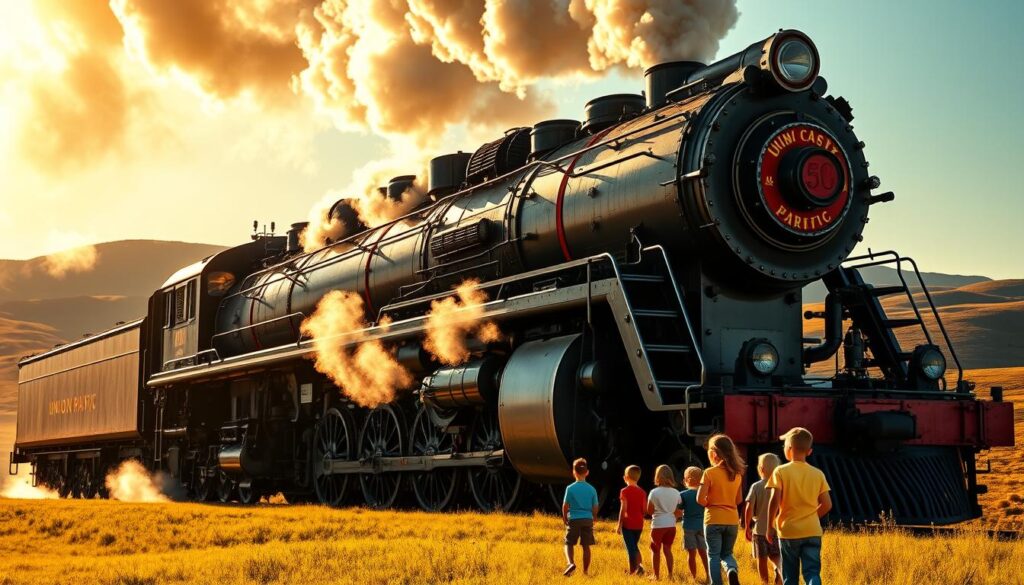
Colossus of the Rails
Imagine 1940s Wyoming, where the Big Boy drank 22,000 gallons of water and 14 tons of coal every hour. That’s enough fuel to power a small town. Or in railroad terms, it could drag 4,000 tons over the Wasatch Mountains at 40 mph. It was a big eater because it hauled wartime freight across 11 states.
Powerhouse Mechanics
Let’s look at how this beast moved:
- Coal Crusade: Firemen shoveled anthracite into a firebox hotter than a dragon’s sneeze (2,000°F)
- Steam Symphony: Boilers turned 19,000 gallons of water into pressurized steam—enough to lift 57 school buses
- Piston Party: 68-inch drivers converted thermal energy into raw mechanical force, like Thor’s hammer on rails
The Durango & Silverton Railroad operates these dinosaurs today. Imagine telling a 1940s engineer that kids in 2024 would call their masterpiece “steam power energy transformation goals.”
“You don’t build a locomotive this size unless you’re trying to outmuscle geography itself.”
Here’s the kicker: Each Big Boy cost $265,000 in 1941 ($5 million today). That’s not a price tag—it’s a declaration of war against physics. Next time you see a Tesla Semi, remember it’s standing on the shoulders of coal-guzzling giants.
Thomas the Tank Engine (and Real-World Inspiration)
Who knew a cheeky blue tank engine could spark a love for mechanical engineering? Reverend Awdry’s trains have been more than just toys for kids. They’ve secretly taught piston mechanics to many. Thomas, the Oxford Don of trains, makes learning about steam engines fun.
From Storybook to STEM
Thomas’ stories are full of lessons. They teach about beginner steam engine basics. It’s like getting STEM education through a talking train’s adventures.
Today, thanks to Awdry, people are making their own Troublesome Trucks. They even discuss steam engine designs online.
“A child who understands why Thomas’ boiler bursts will grow into an adult who fixes actual boilers.”
Here’s how to bridge fiction and function:
- Media Mechanics: Watch Thomas episodes like lab experiments. Learn why Percy stalls on hills. Use steam engines in media as learning tools.
- Model Mentorship: Start with beginner model steam engine kits. They’re like Sodor’s trains but without the attitude.
- Troublesome Tutorials: Make wooden cargo cars. Talk about weight distribution. It’s physics without the drama of Gordon’s express runs.
LEGO’s Steam Team sets are a hit. They sell more than NASA rockets. Thomas made thermodynamics approachable. Now, if only he’d explain blockchain…
Activities: Drawing & Building
Let’s swap keyboard shortcuts for pencil shavings. Historical trains like the Union Pacific Big Boy began with blueprints and hard work. This mix of art and math is fascinating.
Hands-On Learning
Start with grid paper for a drawing exercise that’s both art and engineering. Compare the controls of the Flying Scotsman to the USS Enterprise’s helm. The Strasburg Rail Road has downloadable plans for learning about pistons and pressure gauges.
Blueprint Basics
Turn cereal boxes into mini trains with a STEM project. Use toothpicks for rivets and bottle caps for wheels. It’s a fun way to learn geometry.
These activities are more than just fun. They teach physics and problem-solving. Share your creations online to inspire the next generation of inventors.
