AI superconductors activities help students model how machine learning aids materials research, with clear limits and safe classroom tasks.

Hands-On Science for Curious Minds

AI superconductors activities help students model how machine learning aids materials research, with clear limits and safe classroom tasks.
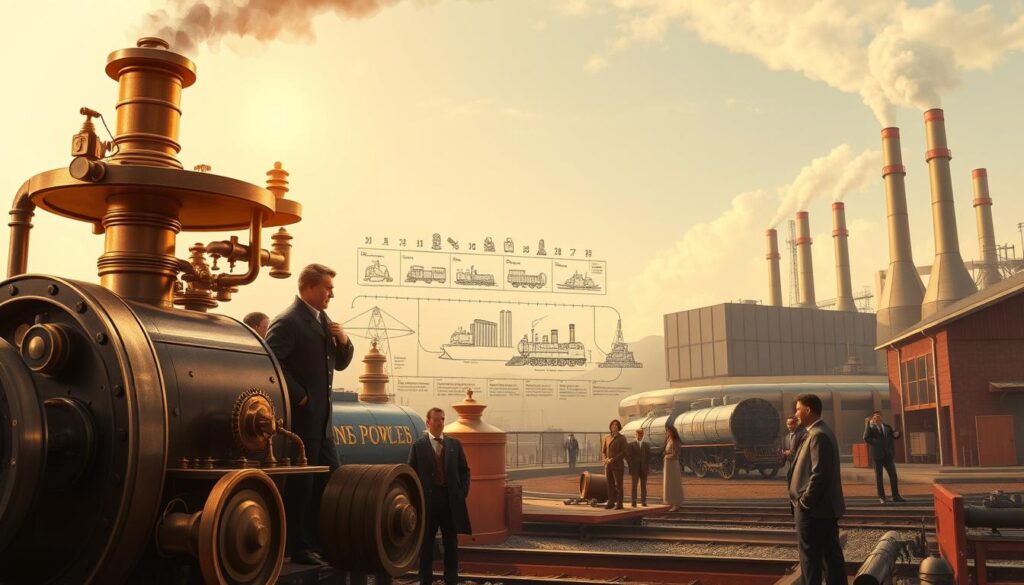
Imagine a world where factories were tied to riversides, relying on wind and water. The story of breaking free is a tale of human ingenuity….

Hands-on STEAM activities spark student creativity. They can build robots, code games, or design prototypes. But, without a clear way to evaluate them, these projects…

Textbooks and diagrams can only do so much. To really understand physics and engineering, students need to see it work. A model steam engine lets…
For years, STEM—Science, Technology, Engineering, and Math—led the way in innovation. Now, a new letter has been added: A for Art. This change marks a…
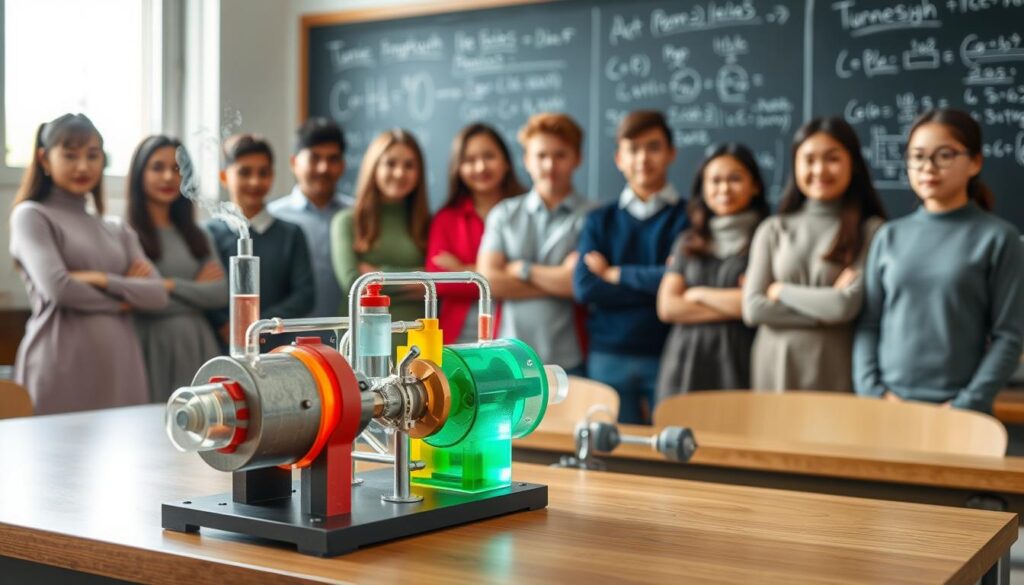
Imagine turning flowing water into electricity. This idea powers big hydropower plants and can excite learning in your classroom. Paul Junkin’s hose-powered generator shows it’s…
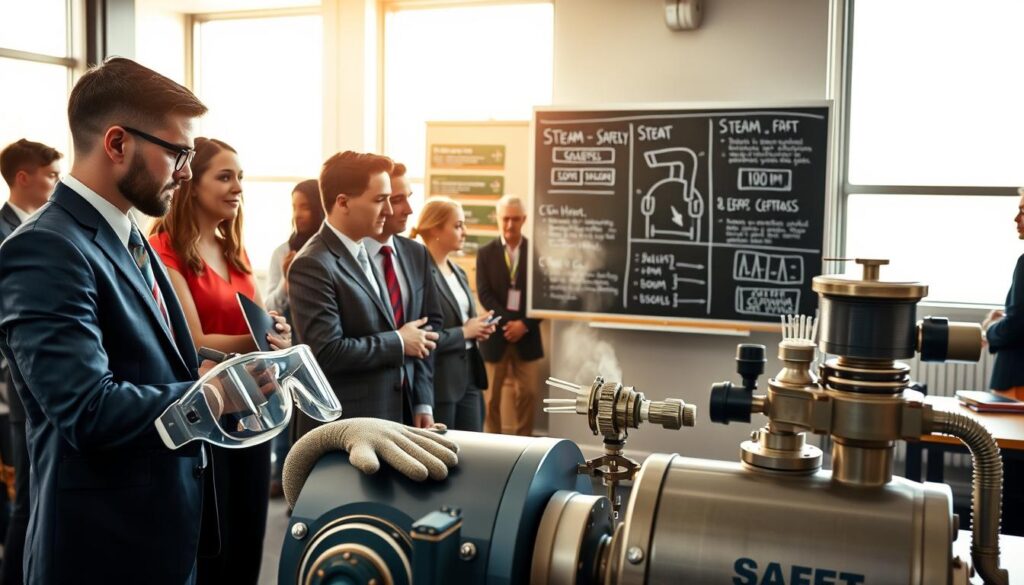
Steam is a powerful force. It drives industries, heats buildings, and sparks innovation in labs and workshops. For students and beginners, learning about this energy…
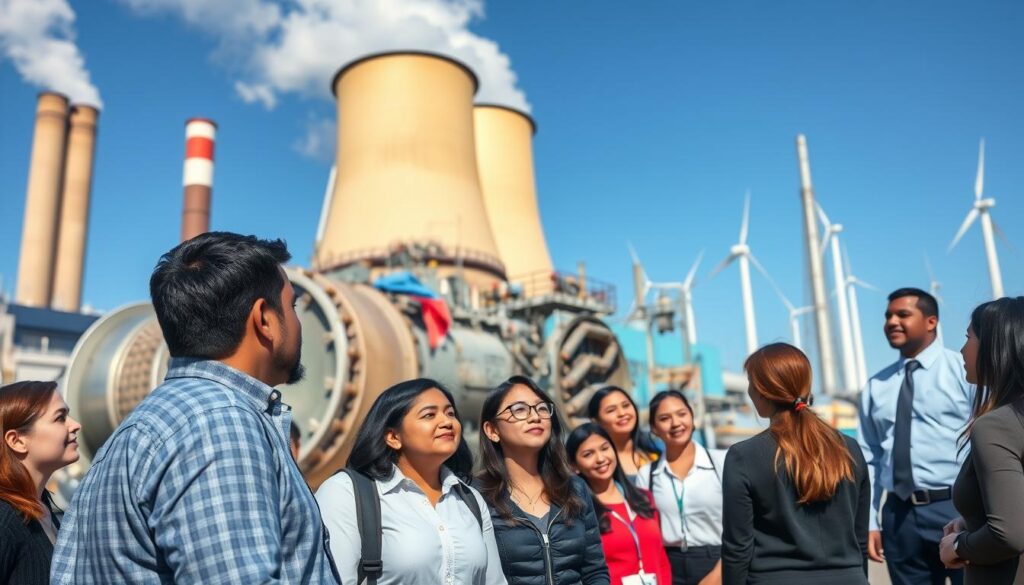
Forget the idea of a simple reward day. A visit to an industrial facility can be a serious educational tool, deeply connected to classroom learning….

A tight budget shouldn’t stop you from learning. The best discoveries often come from using what you already have in creative ways. This guide goes…
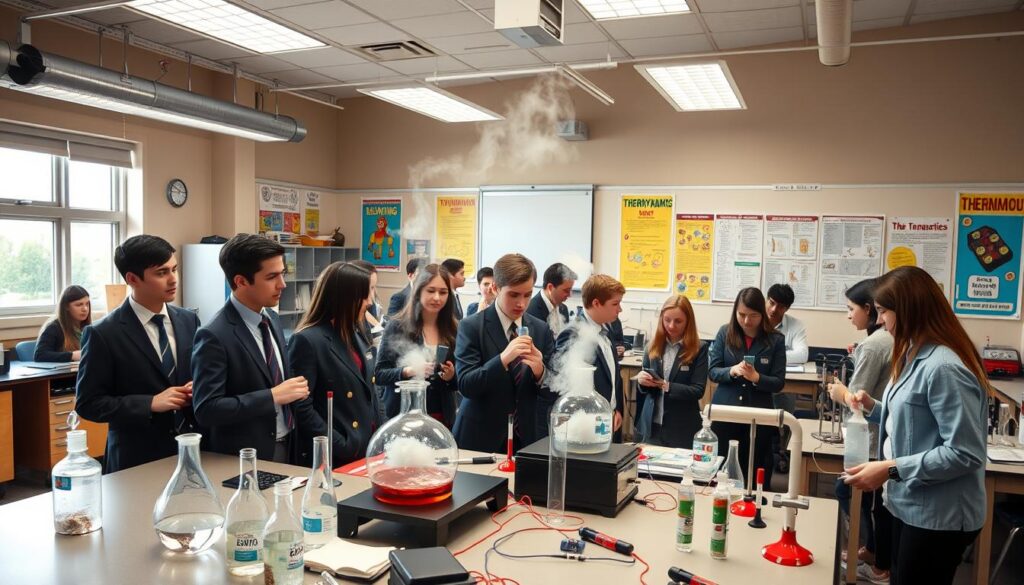
Why does ice melt? How does a steam engine work? These questions lead to the study of thermodynamics. It’s all about energy, heat, and how…